For many patients in North Carolina and across the Southeast, a walk in the woods has turned into a life-altering medical journey. Alpha-gal Syndrome (AGS) is on the rise, and while navigating a meat-free diet is the first step, the hidden dangers in your medicine cabinet require equal attention.
How Do You Get Alpha-Gal Syndrome?
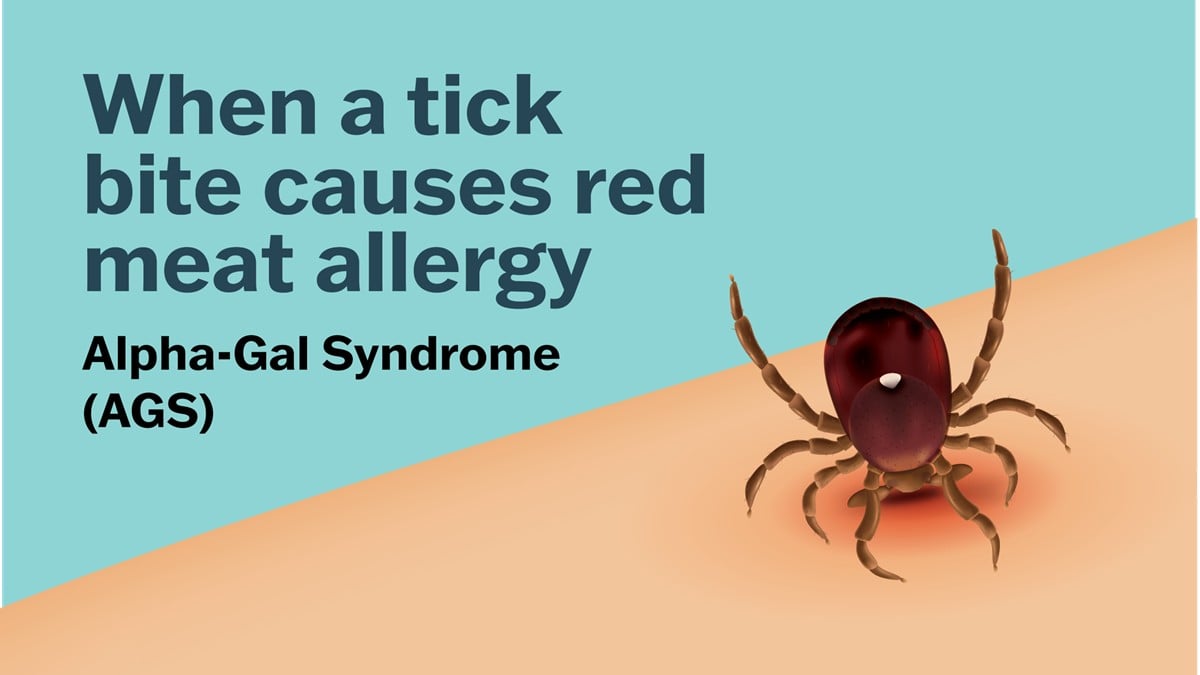
Alpha-gal syndrome is unique among food allergies because it is not caused by genetics, but by a bug bite.
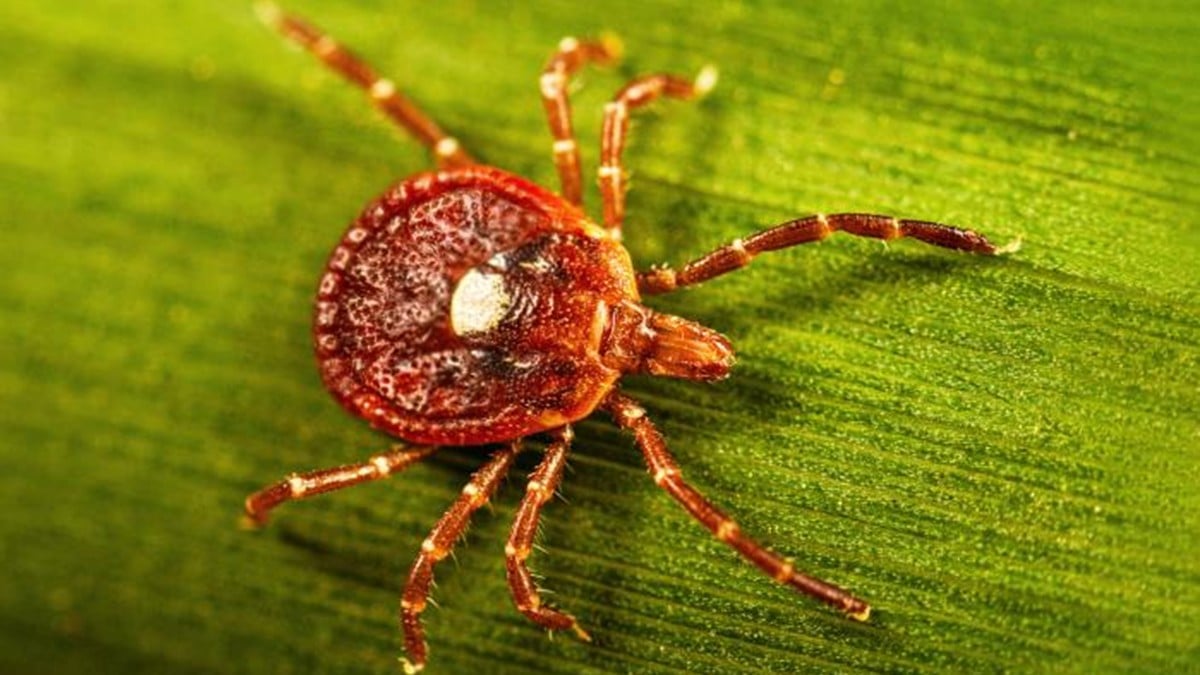
In the Eastern United States, the primary vector is the Lone Star tick. When this tick bites you, it injects a sugar molecule known as galactose-α-1,3-galactose (alpha-gal) into your body. This triggers your immune system to produce antibodies (IgE) to fight this sugar. Once sensitized, your body reacts anytime you consume products containing this sugar—found in the meat and milk of all mammals (cows, pigs, lambs) except humans and primates.
Important Prevention Tip: If you have been diagnosed, preventing additional tick bites is critical. Experts suggest that if you avoid further bites, the allergy may subside in 3 to 5 years. Always use protection like DEET when outdoors.
A Silent Epidemic in North Carolina
While the CDC estimates there are now 450,000 cases of Alpha-gal syndrome in the United States, the Southeast is the epicenter of this epidemic. Data indicates that several southeastern states have a prevalence rate of greater than 10% in certain populations. North Carolina is considered a “hotspot” for the condition. Leading research is currently being conducted at the University of North Carolina (UNC) by experts like Dr. Scott Commins, highlighting the high density of cases in our area.
The “Hidden” Cases: Up to 78% of healthcare providers have little to no knowledge of AGS, and diagnosis can take an average of 7 years. Consequently, many people in NC may suffer from unexplained gastrointestinal issues without realizing a tick bite is to blame.
The Hidden Danger in Your Medicine Cabinet
For those diagnosed, avoiding a burger is obvious, but avoiding medication triggers is much harder. Statistics show that 75% of oral drugs contain animal-derived ingredients, such as lactose (milk), gelatin (cows/pigs), or magnesium stearate (bovine).
Because of these hidden ingredients:
- 92% of AGS patients have had to modify their medication use.
- 50% have experienced an anaphylactic reaction caused by a health product.
- Identifying these ingredients is difficult because databases like DailyMed often list “inactive ingredients” inconsistently. Furthermore, ingredients like carrageenan (derived from red seaweed) are structurally similar to alpha-gal and can mimic the allergy, triggering reactions in sensitive patients.
The Role of Compounding Pharmacies
If you cannot find a certified animal-free version of your prescription over the counter, compounding pharmacies can be a lifeline. Compounding pharmacists can create custom formulations of necessary drugs—such as antibiotics, antihistamines, or heart medications—that are 100% free of animal byproducts. They can:
1. Replace Fillers: Swap lactose or bovine magnesium stearate for plant-based alternatives.
2. Swap Capsules: Use vegetable-based capsules instead of standard gelatin ones.
3. Verify Safety: Unlike standard manufacturers, where only 60% provide accurate responses regarding animal sourcing, compounding offers transparency and safety.
Next Steps for Patients
- Check Your Meds: Use resources like Pill Clarity to check the safety of your current prescriptions.
- Find an Expert: Look for allergists or GI specialists familiar with the condition (such as those at UNC or other regional centers).
- Carry Protection: Because reactions can be delayed by 3 to 8 hours and are potentially fatal, always carry an EpiPen.
Disclaimer: This information is for educational purposes only and does not constitute medical advice. Always consult with your physician or pharmacist before making changes to your medication regimen.